
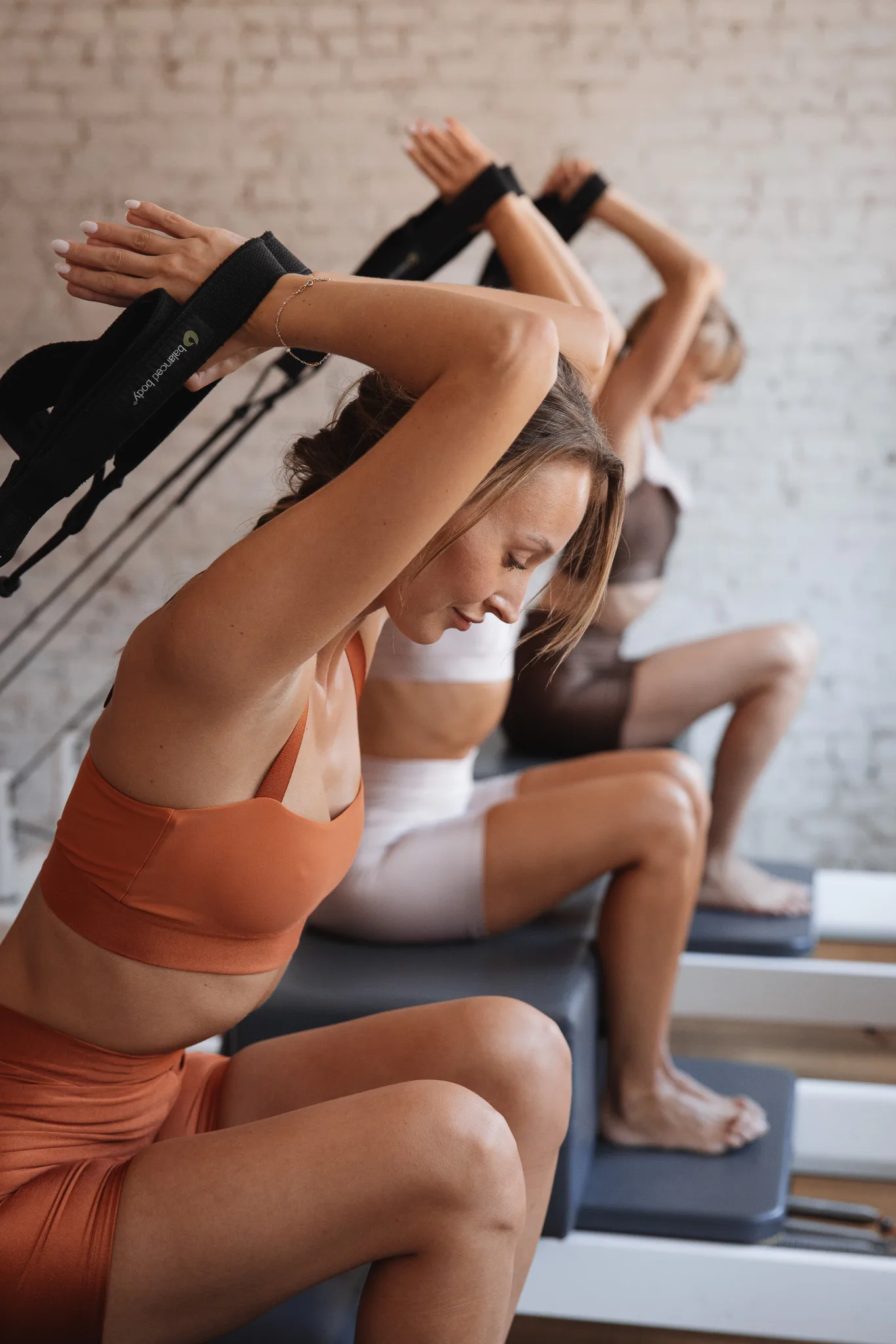
Getting back to Pilates after a break can feel bigger than it needs to. You remember the movements, the rhythm and the strength you had. Then you imagine your first class back and wonder whether you should get a little fitter before you book.
You do not need to prepare for your return by becoming the person you were before the break. Start with one manageable class, tell your instructor you have been away and let your current strength guide your effort. Your practice can meet you here.
At New York Pilates, our invitation is simple: come as you are. The hardest part may be giving yourself permission to begin.

Start today, with the body you have
A few weeks away can turn into a few months when every return needs to be perfect. Work gets busy. Travel changes your routine. Rest becomes necessary. None of that makes you less welcome on the reformer.
There is humility in coming back. An exercise that once felt familiar may ask more of you now. You may need a modification, a shorter range of motion or a pause. Take it. Paying attention is part of the practice.
Choose a class from the NYP schedule that fits your actual day. A convenient time and a studio you can reach easily make that first step simpler.
Have you lost all your progress?
A break does not tell the whole story of your strength. What changes depends on how long you have been away, your previous training, your activity during the break and your health. Feeling rusty is not a measurement of everything you have lost.
Research offers encouragement without a universal comeback clock. A 2024 resistance training study found that participants regained progress during retraining after a training pause. It studied resistance training, not Pilates, so it cannot predict how many reformer classes you personally need.
Give yourself room to notice what returns: coordination, confidence, control and comfort with the equipment. Compare how you feel across your own sessions, rather than measuring every movement against your strongest month.
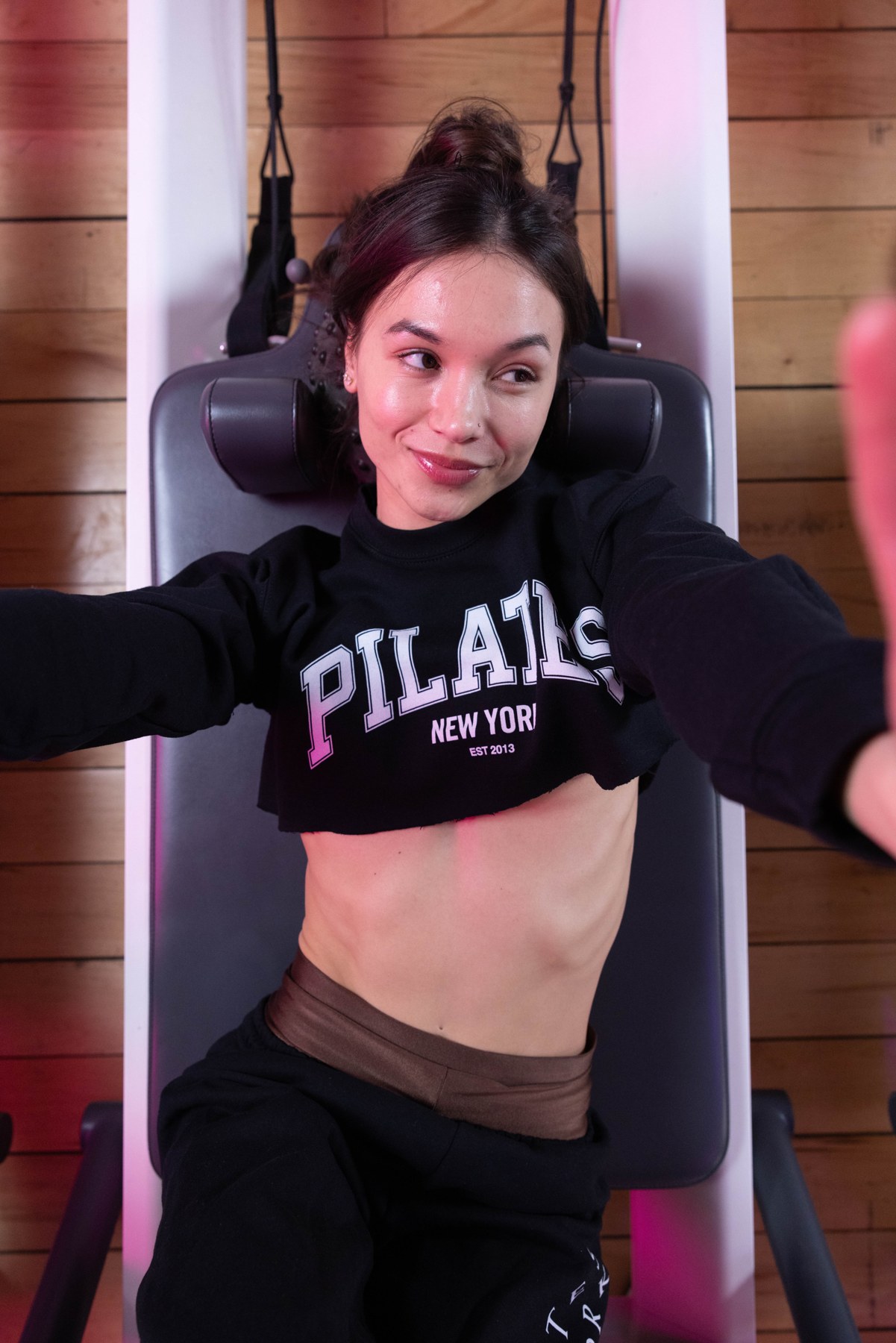
Make your first class a check-in
Arrive with enough time to tell your instructor that you are returning after a break. Mention any new limitations or relevant changes. Ask for help choosing an appropriate variation and spring setup rather than assuming your old choices still fit.
Move with control. Let your breathing settle. Rest when you need to, and leave the competition with your past self outside the studio. Finishing every repetition is less useful than finding an effort you can recover from.
If your break involved injury, surgery or illness, follow the return guidance from your healthcare professional. Sharp or unusual pain is a reason to stop and seek advice, not a challenge to push through.
Build consistency before adding more
One good class does not require an immediate full calendar. Book a next visit you can realistically keep, then notice how you recover. Add frequency or challenge gradually as your capacity returns.
This approach matches the Physical Activity Guidelines for Americans, which encourage people returning from inactivity to begin with manageable activity and increase gradually. The CDC also emphasizes starting slowly. There is no requirement to make every day an intense workout.
Consistency can include walking, easier movement and rest between more demanding sessions. Choose the repeatable routine first. You can build from there.

Rest belongs in your comeback
Recovery is part of building strength. Sleep, adequate food and time between demanding efforts help support the work you do in class. Feeling depleted is not proof that a session counted.
Let your return recharge you. Adjust your next class when you need more recovery, and recognize showing up with patience as progress.
Your comeback does not need a dramatic announcement. It can start with one booking, one conversation with your instructor and one class taken at your own pace. Come as you are. Begin where you are. We will meet you there.
Related Reading
Pilates For Beginners: Learn The Basics & Mistakes To Avoid · Mat Pilates vs. Reformer Pilates: What’s the Difference?
From The Pilates Edit, the editorial publication of New York Pilates. Meet the founders.