
A familiar pose can belong to a very different practice.
A plank. A stretch. A teacher reminding you to breathe. From the outside, Pilates and yoga can look like close relatives. Step into the practice, though, and the differences become much more interesting than the similarities.
The clearest difference between Pilates and yoga is the purpose and method behind the movement. Pilates organizes strength, control, and coordination into a system of exercise. Yoga is a much older tradition whose scope includes meditation, breath, and philosophical or spiritual practice alongside physical postures.
Both can ask you to pay attention. Both can be physically demanding. That does not make them interchangeable.
The pose is only part of the story
At New York Pilates, we care about what connects the exercises: how you initiate a movement, organize your body, breathe, and transition into the next one. The goal is to develop strength you can coordinate, with your core helping your arms and legs work together.
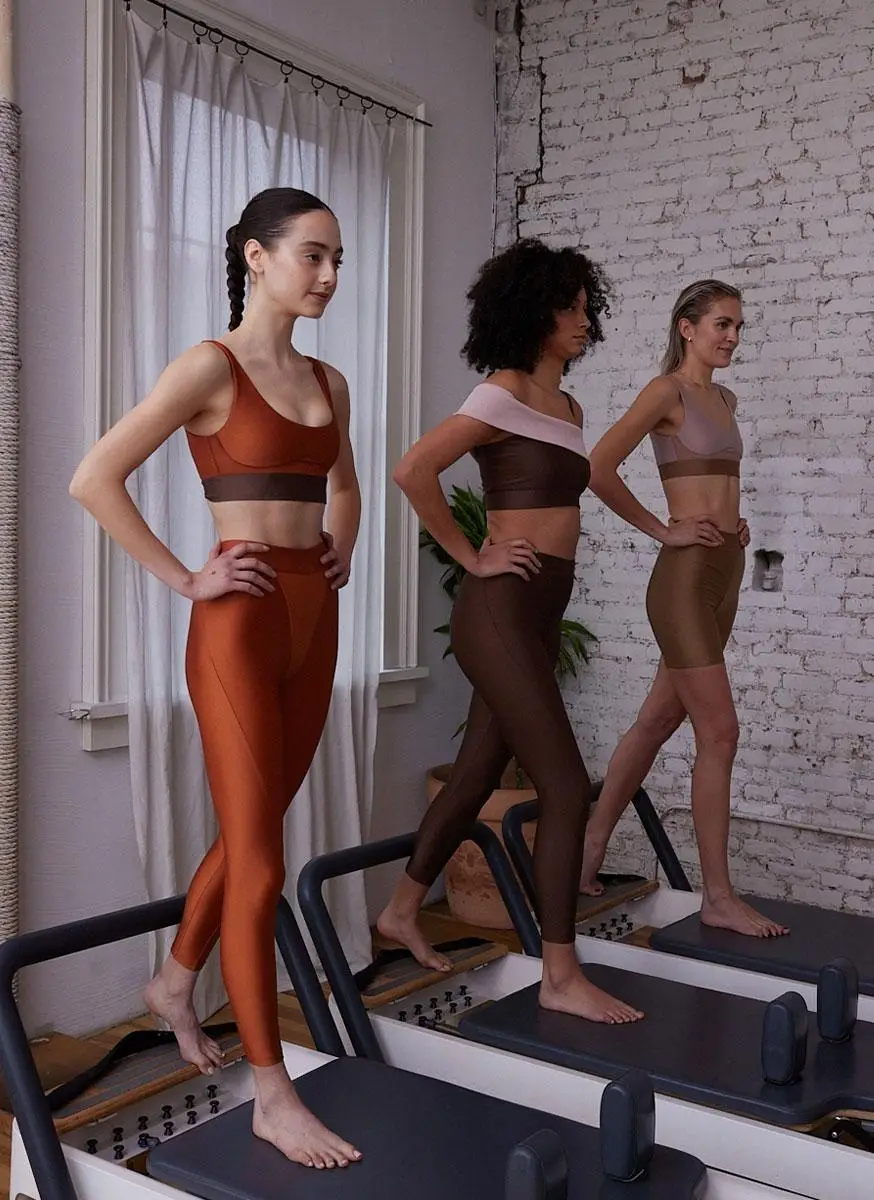
A shape alone cannot tell you all of that. Two people might look similar in a photograph while working with different resistance, different cues, and a different intention.
That is why a Pilates class is more than a collection of moves that happen to look like Pilates. The teaching and the relationships between the exercises are part of the practice.
Pilates puts strength and control to work
Joseph Pilates called his method Contrology. In classical Pilates, equipment supports a connected repertoire of exercises rather than serving as a backdrop for unrelated movements.
On a reformer, springs can provide assistance as well as resistance. Your job is to work with that setup while keeping control of the movement. Adding more springs does not automatically make every exercise harder. Understanding how spring resistance works is part of learning the machine.
Expect focused core work, but expect to use the rest of your body, too. The aim is a coordinated system, not an isolated ab workout. Your teacher’s cues help connect what your trunk, arms, and legs are doing.
Yoga has a broader purpose than the workout
Traditional yoga cannot be reduced to stretching or exercise. The National Center for Complementary and Integrative Health describes yoga as combining postures, breathing, and meditation, with classical traditions also including spiritual elements.
For many practitioners, moving the body is part of cultivating attention and preparing for meditation. The physical work belongs to that larger practice.
What you encounter in a studio varies. Some classes give meditation a central role. Others emphasize demanding sequences and a fitness experience. Yoga can build strength, and a challenging class is still capable of being deeply attentive. Read the class description before deciding what the word “yoga” means on a particular schedule.
Coming from yoga? Here’s what may feel different
In our experience, yoga regulars often notice the amount of core work first. They also notice the strength training emphasis: controlling resistance, maintaining alignment, and coordinating the whole body through repeated movement.
The reformer adds another learning curve. The carriage moves beneath you. Springs change the support available. A familiar-looking position can feel very different when the surface and resistance change.
Your experience listening to cues and noticing your breath may feel useful right away. Give yourself room to learn the equipment. Tell your teacher that you are new to the reformer, even if you have practiced yoga for years.
Choose the practice you came for
If you want meditation to anchor your practice, look for yoga teaching that explicitly makes space for it. If you want a guided workout centered on core strength, resistance, and coordinated movement, a reformer Pilates class is worth exploring.
You can also make room for both. A yoga practice and a Pilates routine do not need to compete for the same job in your week.
If you are seeking rehabilitation after an injury, choose individualized guidance from an appropriately qualified professional. A group fitness class has a different role.
Curious about the difference in your own body? Explore New York Pilates intro offers, choose your studio, and find your first reformer class. Bring your experience. Leave room to learn a new system.
Related Reading
Pilates For Beginners: Learn The Basics & Mistakes To Avoid · Mat Pilates vs. Reformer Pilates: What’s the Difference?
From The Pilates Edit, the editorial publication of New York Pilates. Meet the founders.