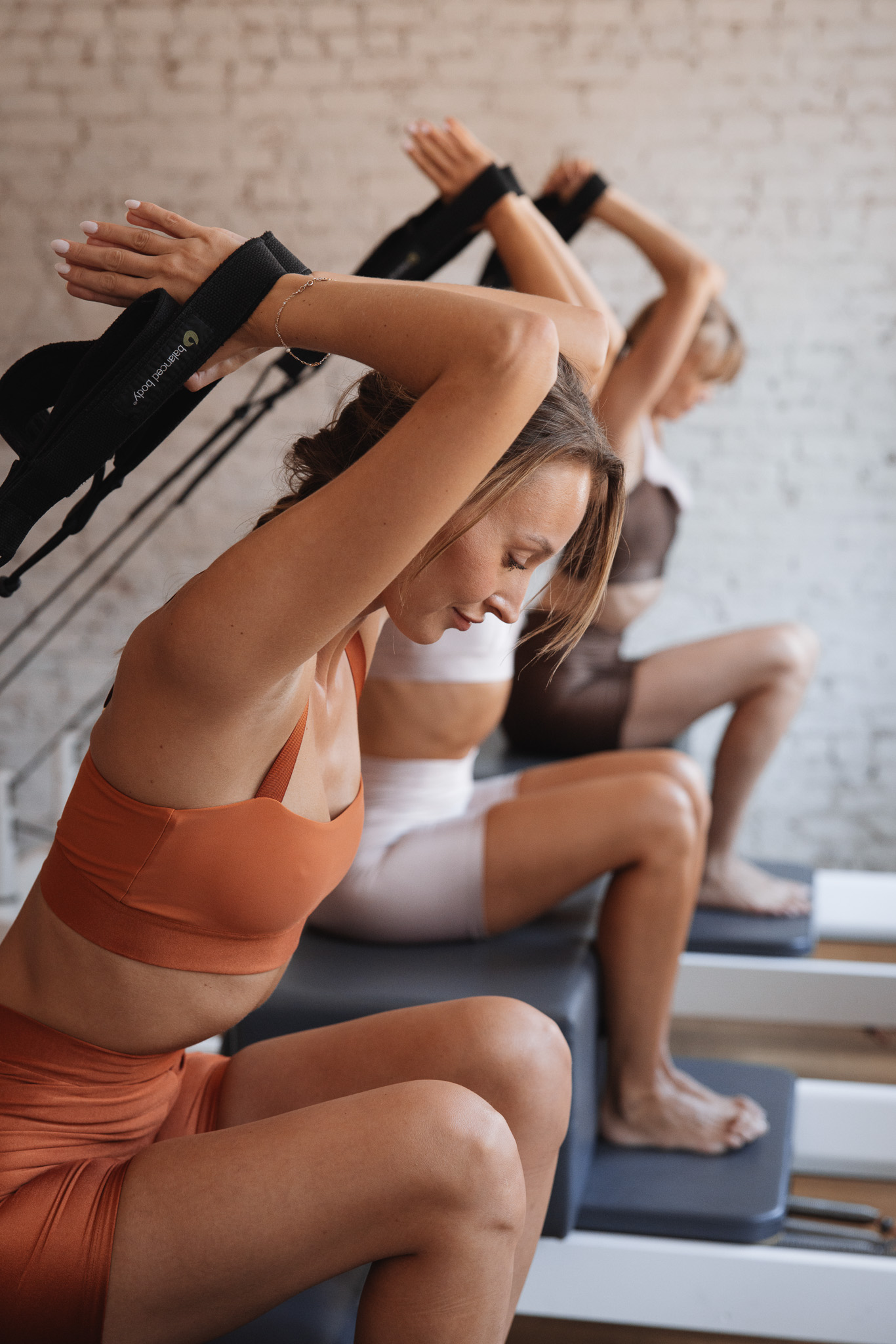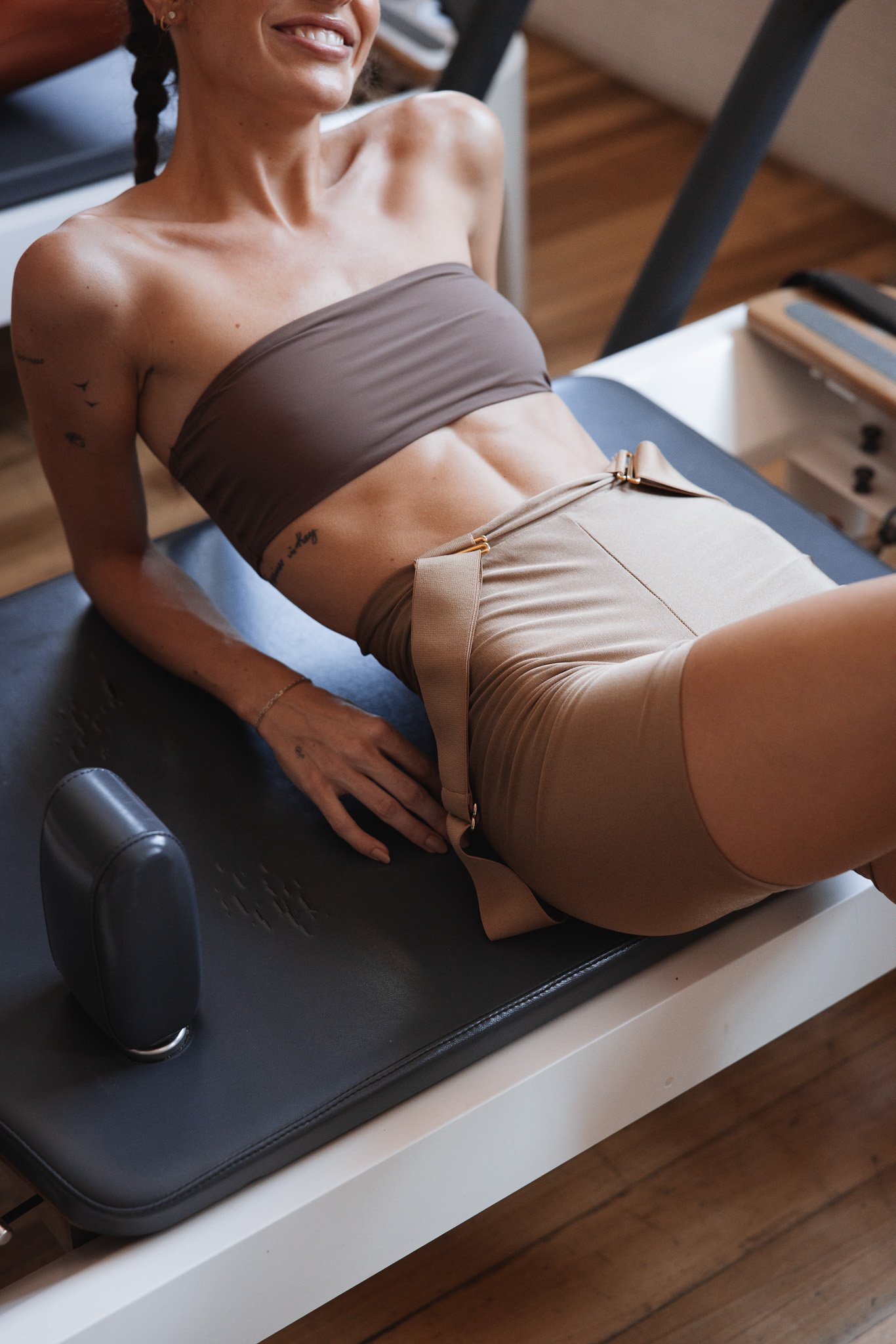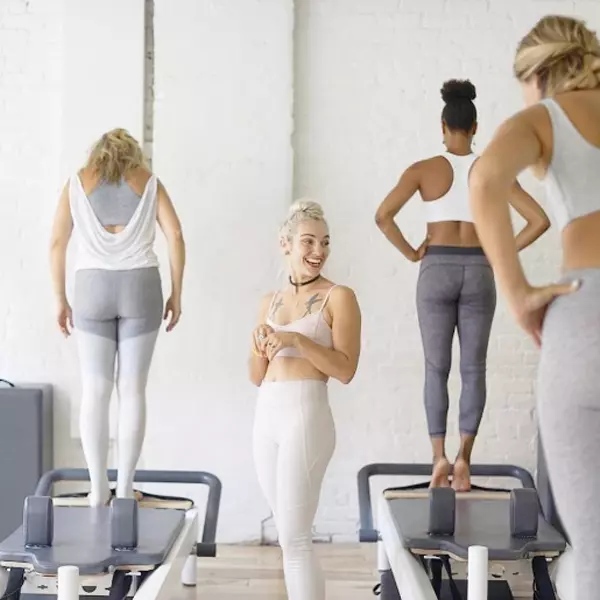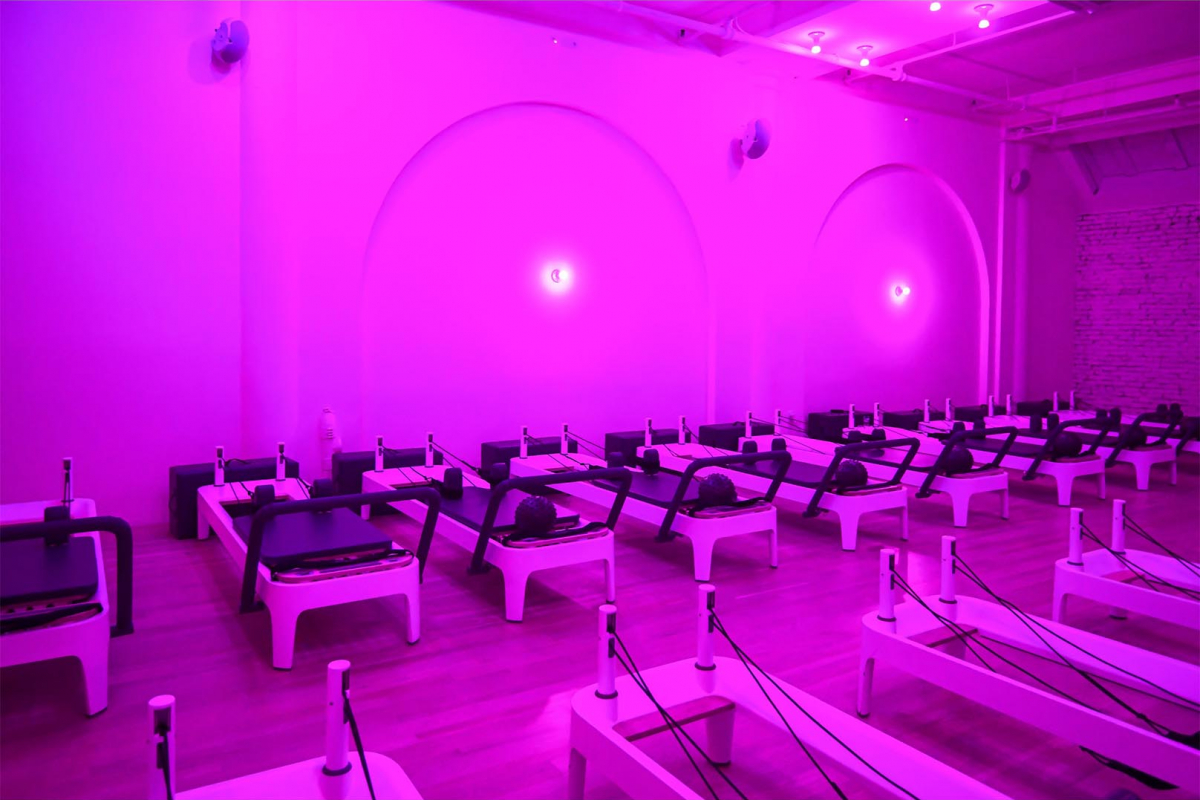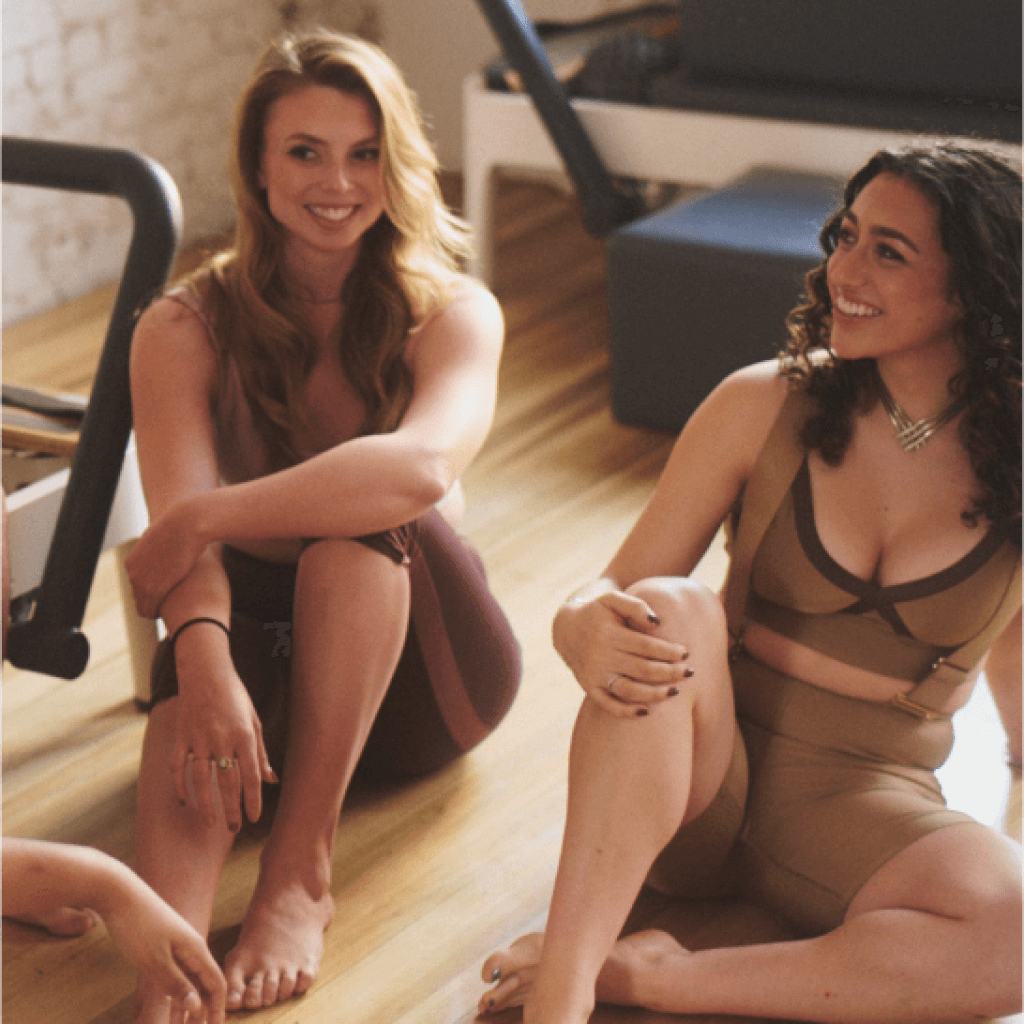
No, you do not need to be sore after Pilates for your workout to be effective. Reformer Pilates is strength training, but next-day discomfort is not the goal of our classes. At New York Pilates, we want a practice that builds you up: movement you can learn, progress, and look forward to repeating.
If you leave class feeling focused and capable, then wake up without aching muscles, that does not mean you wasted your time. Look at the work you did and the progress you can make over time, rather than judging the session only by how sore you feel.
Why you might feel sore after Pilates
Cleveland Clinic explains that delayed onset muscle soreness, or DOMS, typically develops one to three days after exercise, especially after an unfamiliar activity or a session more intense than you are used to. A productive workout does not have to cause DOMS.
A new Pilates sequence may challenge you differently from your familiar routine. That can make soreness more noticeable. Feeling sore sometimes is different from setting out to make yourself sore after every class. Neither soreness nor its absence gives you a complete picture of your progress.
Build strength without making suffering the goal

Our teaching philosophy is simple: New York Pilates builds you up. We want you to learn how to use your body, find your form, and work with attention. The aim is a class you want to come back to, not a test of how much discomfort you can tolerate.
This still means doing meaningful work. Spring resistance, body weight, controlled movement, and appropriately challenging progressions put demands on your muscles. Your teacher can help you adjust the exercise to your goals and current ability. Enjoying the workout and challenging yourself can go together.
The American College of Sports Medicine’s 2026 guidance emphasizes consistent resistance training and gradual progression. It also reports that training to momentary muscle failure did not consistently change outcomes for the average healthy adult. You do not need to make every session an all-out effort.
What to notice instead of soreness
Pay attention to what you can do. Can you keep your shoulders from rising while you move? Can you maintain your pelvic position through a sequence? Can you breathe through an exercise that previously made you hold your breath? Those are useful ways to notice changes in technique.
For strength progress, compare the demands you can manage over time. That might mean working against greater resistance in an appropriate exercise, controlling a more challenging range, or completing the movement with less assistance. Track what changed and ask your instructor which progression fits your goal.
Technique, strength, and endurance are related, but they are not identical. More comfortable breathing or better alignment can show that you are learning; they do not, by themselves, measure every strength gain. We want you to understand the movement and develop your capacity together.
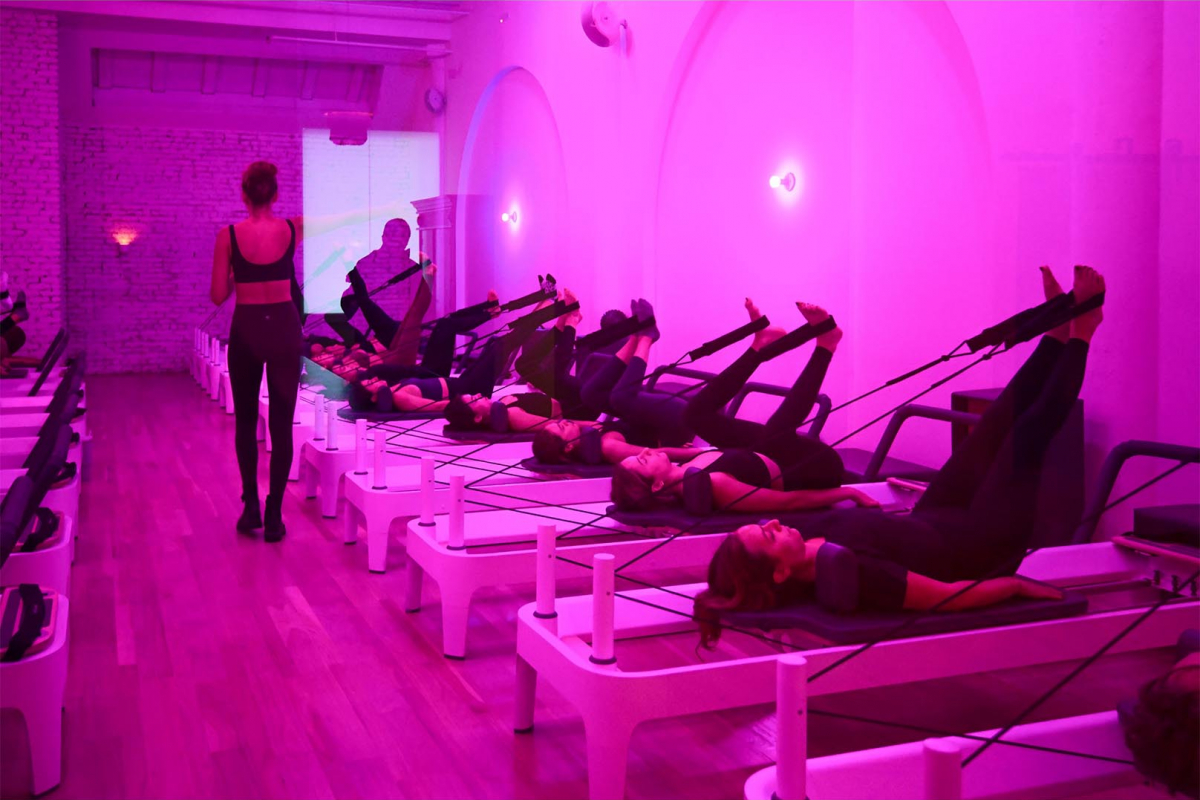
What about Zone 2 and the talk test?
The idea of a sustainable effort is useful when thinking about consistency. But a conversational pace is not a test of whether a Pilates exercise provides enough resistance for strength progress.
The CDC’s talk test measures aerobic intensity: during moderate aerobic activity, you can usually talk but not sing. That is a different measure from the muscular demands of reformer Pilates. You can pair walking or cycling with a Pilates practice without treating the two as the same kind of training.
Let recovery support your routine
Consistency includes adjusting when your body needs it. Tell your teacher if soreness is affecting how you move. Cleveland Clinic recommends easing off intense work for sore muscles while they recover. Sharp pain, severe swelling, or symptoms that are not improving deserve medical attention rather than being treated as a workout achievement.
Choose a routine you enjoy and can sustain. Explore our reformer class schedule and membership options to find a practice that fits your life.
Interested in learning to teach? Explore NYP instructor training for the education behind thoughtful class planning, cueing, and progression.